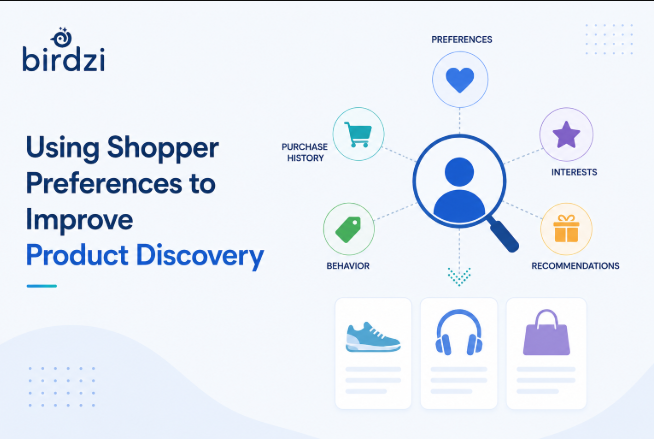
Grocery shopping has become increasingly digital, but shoppers still expect their experience to feel simple and relevant. When customers can quickly discover products that match their interests, needs, and purchasing habits, they are more likely to explore additional products and return to the retailer.
The challenge for grocery retailers is understanding what each shopper actually wants. Purchase history, browsing behavior, loyalty activity, and engagement patterns can provide valuable clues. When retailers use those signals effectively, they can make product discovery more personalized while creating opportunities to increase engagement and revenue.
Why Shopper Preferences Matter for Product Discovery
Every shopper has different habits. One customer may regularly purchase organic products, while another frequently looks for family-size items, prepared meals, or specific household brands.
Generic product recommendations cannot account for these differences. A promotion that is highly relevant to one customer may have little value to another.
Shopper preferences give retailers a way to understand these differences. By analyzing behavioral data, retailers can identify interests and patterns that help determine which products, offers, and recommendations are most likely to be useful.
This creates a better experience for the customer while giving retailers more opportunities to connect shoppers with relevant products.
What Data Can Reveal About Shopper Preferences?
Retailers already have access to many of the signals needed to understand customer preferences. The key is bringing those signals together and interpreting them effectively.
Useful data points can include:
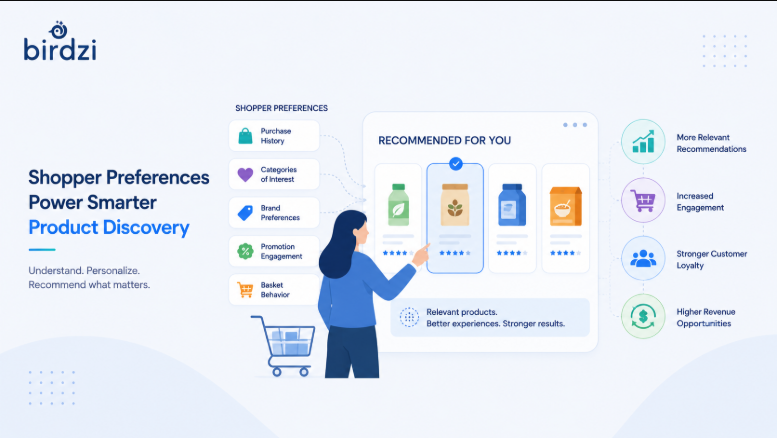
- Purchase history: Products and categories customers buy regularly
- Purchase frequency: How often shoppers return to purchase certain products
- Browsing behavior: Products or categories customers interact with digitally
- Promotion response: Offers and discounts that generate engagement
- Basket composition: Products commonly purchased together
- Loyalty activity: Customer engagement with rewards and loyalty programs
- Recency: How recently a shopper interacted with or purchased a product
When these signals are combined, retailers can build a more complete picture of shopper intent.
For example, a customer who regularly purchases fresh produce and explores healthy meal content may respond well to recommendations for complementary products. Another shopper who frequently purchases snacks for a household may be more interested in related products or bundle offers.
Move Beyond Generic Product Recommendations
Many retailers still rely on broad promotions designed to reach as many customers as possible. While this can generate visibility, it does not necessarily create meaningful product discovery.
Personalization changes the approach.
Instead of showing the same products to everyone, retailers can use customer data to determine which products are most relevant to individual shoppers or segments.
A customer who regularly buys coffee could receive recommendations for related products. Someone who frequently purchases baby products could discover complementary household items. A shopper who has recently started purchasing healthier foods could receive recommendations based on that emerging interest.
The goal is not to predict every purchase perfectly. It is to make the discovery process more useful by presenting products that have a genuine connection to the shopper’s behavior.
Connect Shopper Insights With Marketing
Product discovery becomes even more powerful when shopper insights are connected to marketing campaigns.
Retailers can use customer segments to create targeted promotions around specific products or categories. Instead of promoting an item to the entire customer base, they can focus on shoppers whose behavior suggests a genuine interest.
This can improve the relevance of campaigns while helping retailers make better use of their marketing budgets.
For retailers looking to understand customer behavior and turn data into actionable insights, Birdzi’s Shopper Analytics platform provides a way to connect shopper information with retail decision-making.
Measure What Drives Product Discovery
Personalized recommendations should be measured just like any other marketing initiative.
Retailers can track metrics such as:
- Product engagement
- Recommendation click-through rates
- Conversion rates
- Average basket value
- Cross-category purchases
- Repeat purchase frequency
- Customer retention
- Incremental revenue
These metrics can help retailers determine whether personalized discovery is actually influencing customer behavior.
Create Experiences Around the Entire Shopper Journey
Product discovery does not happen at a single point in the shopping journey.
A customer may discover a product through a personalized offer, a loyalty app, an email campaign, a digital shopping experience, or while browsing a retailer’s website.
This means retailers need to think beyond individual recommendations and consider how different customer touchpoints work together.
When shopper preferences inform these interactions, retailers can create a more consistent experience. The customer receives relevant information based on their interests rather than encountering disconnected messages across different channels.
That consistency can help strengthen engagement and make the retailer’s digital experience more useful.
Turn Shopper Preferences Into Business Growth
Understanding shopper preferences is valuable because it connects customer experience with measurable business opportunities.
When retailers know what customers purchase, what categories they engage with, and how their behavior changes, they can make more informed decisions about recommendations, promotions, and marketing campaigns.
Birdzi’s Shopper Personalization Platform can help retailers connect shopper behavior with personalized strategies designed to support engagement and measurable business outcomes.
The result is a more focused approach to product discovery. Instead of trying to promote everything to everyone, retailers can use customer data to put the right products in front of the right shoppers at the right time.
Build a Smarter Product Discovery Strategy
Shopper preferences can tell retailers much more than what customers have purchased in the past. They can reveal interests, purchasing patterns, emerging needs, and opportunities to introduce customers to relevant products.
By bringing together purchase data, loyalty activity, digital behavior, and engagement signals, retailers can develop a stronger understanding of individual shoppers.
A successful strategy should also be continuously measured and refined. Retailers that understand what drives engagement can improve their recommendations over time and identify new opportunities to grow customer value.
For retailers ready to turn shopper insights into more relevant customer experiences, Birdzi’s Shopper Engagement Tools can help connect customer intelligence with personalized engagement across the shopper journey.
Frequently Asked Questions
Q.1 How do shopper preferences improve product discovery?
A: Shopper preferences help retailers understand which products and categories are most relevant to individual customers. This allows retailers to provide more targeted recommendations instead of showing identical products to every shopper.
Q.2 What data can retailers use to understand shopper preferences?
A: Retailers can analyze purchase history, product frequency, basket composition, loyalty activity, promotion response, browsing behavior, and other engagement signals to identify customer interests and patterns.
Q.3 Can personalized product discovery increase basket size?
A: Yes. When retailers recommend relevant complementary or related products, customers may discover items they would not have otherwise considered. Retailers can measure changes in basket size and cross-category purchases to evaluate the impact.
Q.4 How can retailers personalize recommendations without overwhelming shoppers?
A: Retailers should focus on relevance rather than volume. Recommendations should be based on meaningful behavioral signals and presented at appropriate points in the customer journey.
Q.5 How should retailers measure personalized product discovery?
A: Useful metrics include recommendation engagement, conversion rate, average basket value, cross-category purchases, repeat purchases, retention, and incremental revenue. These measurements can help retailers determine which strategies are producing meaningful results.
Sign up for Updates
Stay current on the latest happenings at Birdzi!
"*" indicates required fields
Related Posts
 " alt="How Grocers Can Make Promotions More Relevant to Shoppers" />
 " alt="How Grocery Retailers Can Adapt Marketing to Changing Shopper Behavior" />
 " alt="What Should Grocers Look for in Customer Engagement Technology?" />
Request a 1-on-1 Demo
There’s no substitute for seeing Birdzi’s capabilities first-hand with a seasoned expert to answer all your questions.
"*" indicates required fields